AI literacy · Engineering formation · Convergent education
I make artificial intelligence tangible, rigorous, and consequential.
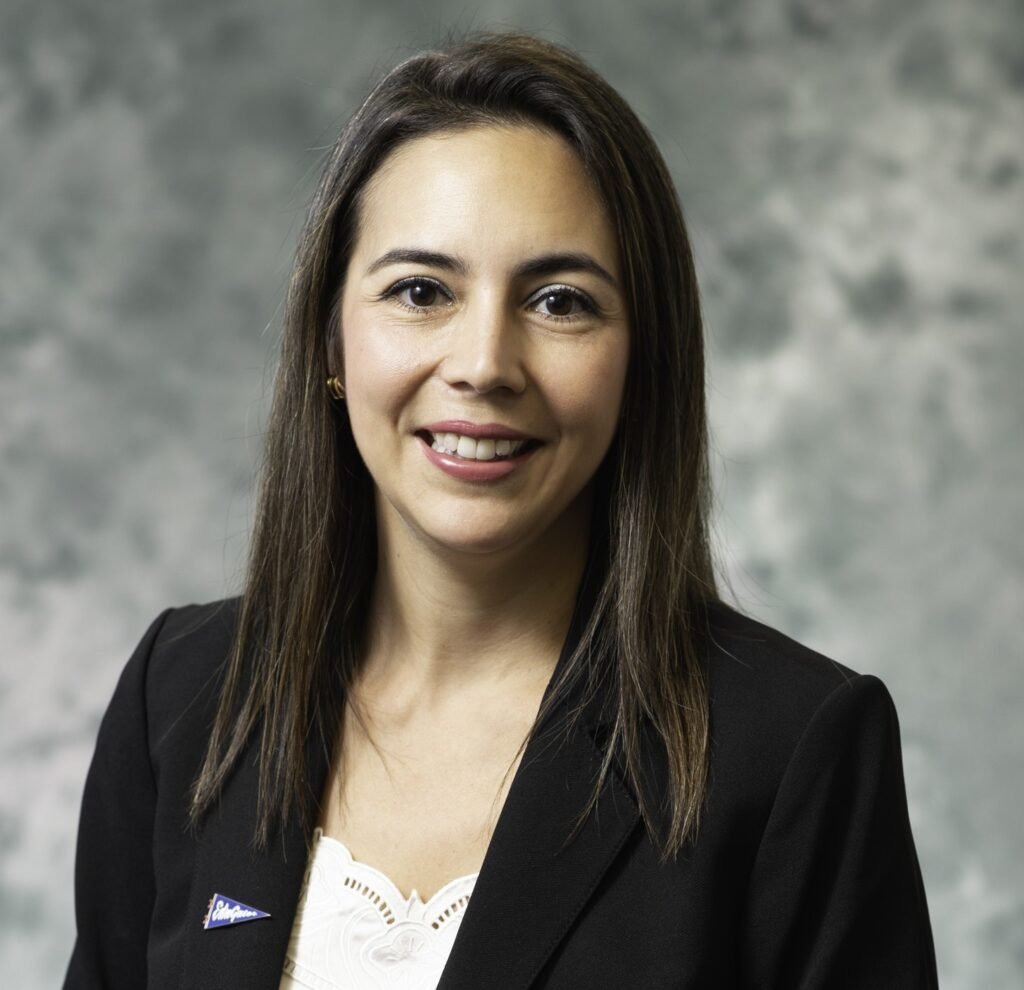
I am Andrea Ramírez-Salgado, PhD, an AI and engineering education scholar at the University of Florida. I design learning systems, research how AI literacy develops, and build institutional pathways that connect emerging technologies with human judgment, public purpose, and engineering responsibility.
Start here
Four connected ways I contribute.
01
Research
How does AI literacy become durable, transferable, and socially consequential?
02
Teaching
Graduate AI, data science, edge intelligence, and faculty learning designed around multiple entry points.
03
Leadership
Connecting curriculum, faculty, students, communities, and institutional strategy around convergent technologies.
Featured impact
Selected work, with the details one click away.
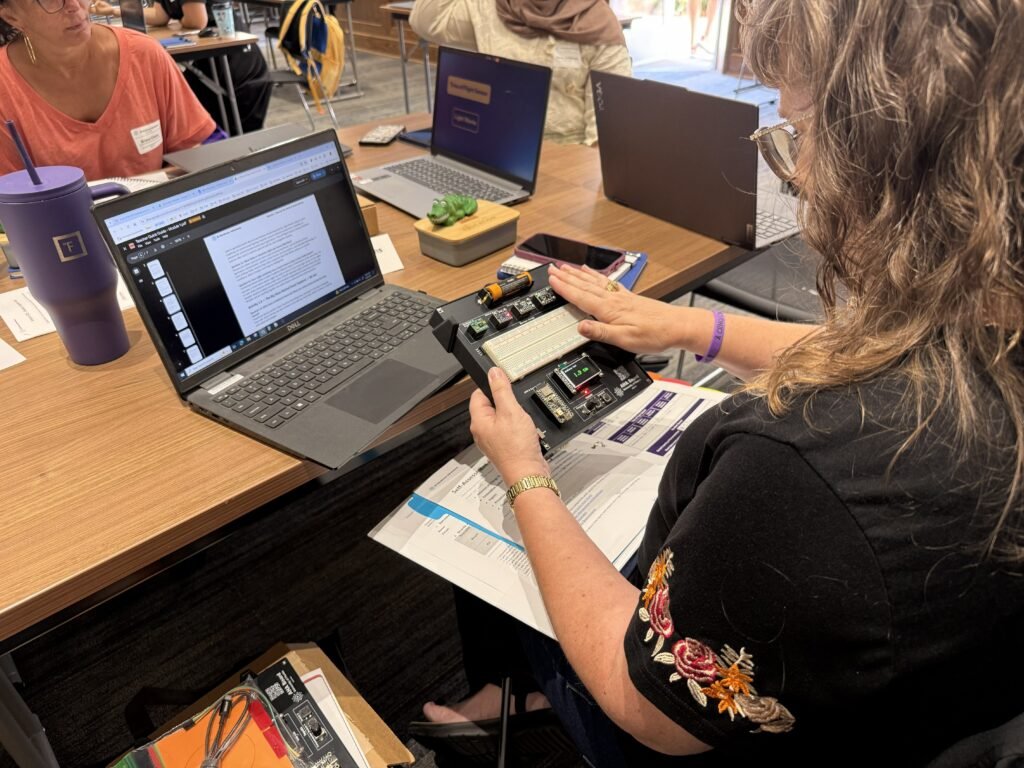
NSF AHA! AI Hardware Adventures
Connects technical AI learning with community-centered problem solving across teacher, youth, classroom, and informal-learning contexts.
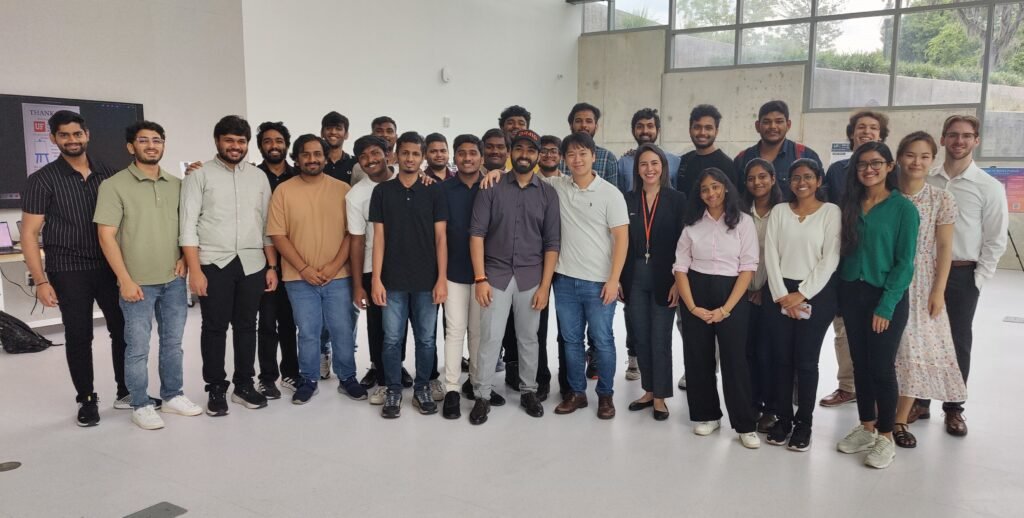
Graduate AI and Data Science Education
Creates a direct pathway for translating emerging AI scholarship into the preparation of technical professionals.
Convergent Engineering Education Initiatives
Provides institutional leverage for moving research into programs, partnerships, credentials, and sustained educational change.
Digital Minds and Engineering Formation
Builds a new bridge between digital minds scholarship and the formation of the technical workforce.
Teaching philosophy, in brief
AI literacy is not one skill or one course.
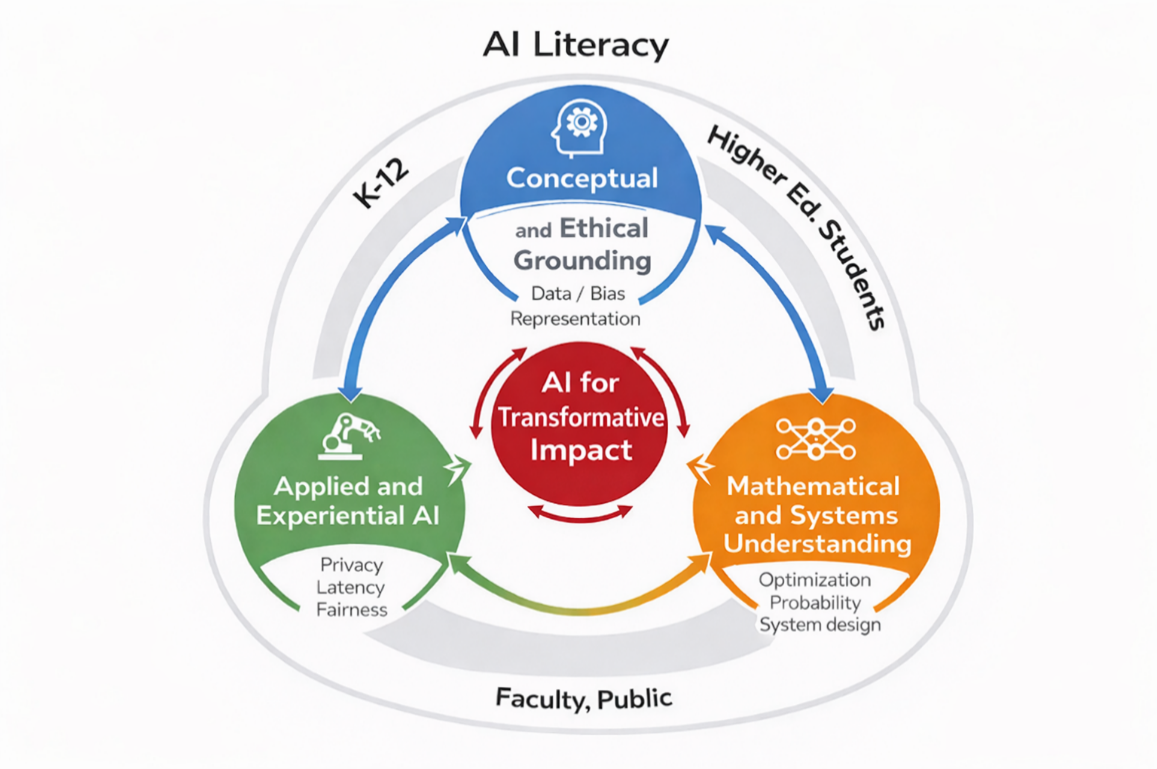
I organize teaching around three connected dimensions: conceptual and ethical grounding, mathematical and systems understanding, and applied and experiential AI. The goal is not only to help learners use AI, but to help them question it, understand it, build with it, and judge when its use is warranted.
Research questions
The questions behind the projects.
Enduring AI literacy
Under what conditions do learners experience AI as a system they can question, understand, and shape rather than merely consume?
AI for social purpose
How do tangible, community-centered Edge AI experiences influence interest, identity, reasoning, and participation?
Engineering responsibility
How should future engineers reason under uncertainty about the capabilities, consequences, and possible moral status of advanced AI systems?
Selected scholarship
Recent work across AI, engineering education, and learning sciences.
Let’s build learning and research that keeps pace with intelligent systems.
I welcome collaborations in AI and engineering education, Edge AI, curriculum and faculty development, community learning, convergent technologies, and emerging questions about digital minds.